
Our Services

Strategies for Care and Support
Your parent has their ideas, and so do you. Now the in-laws and friends weigh in with their opinions. What is really best? What will it cost? How to get started?
ElderCareCanada has been answering these questions since 1999. We meet with all parties, identifying and prioritizing the real needs, sourcing subsidized, non-profit or private assistance, recommend safety features for the home, creating routines and protocols and providing hands-on care management.
-
Replacing $600-per-day agency care, arranged as a temporary measure, with alternative arrangements with a non-profit care agency that were affordable over the long term.
Assessing the needs and creating care, housing and support strategies for numerous clients wishing to remain in their homes.
Creating alternatives to ‘we need a full-time live-in!’ reactions with a comprehensive care plan and strategy.
-
What We Did
“Dad is not managing his diabetes – how can we get him into a nursing home right away?”
There was a lot of knowledge – and opinions – and tension in the room. Mr. Davis was in hospital after being found in a diabetic coma by the cleaning lady. The social worker was ready to discharge him, but the family had other ideas.
After hearing all the opinions, I met with Mr. Davis himself. He seemed embarrassed by the fuss he had created, and freely admitted that he had neglected his diet and personal care. I walked him through his day, covering every single detail from dawn to dusk, to see where the challenges lay. He admitted fears of being alone at night, dislike of grocery shopping, and loneliness that he hated to express in case his children felt guilty. We developed some plans which he asked me to document in a report and help him present to his children.
At our meeting, I presented our plans:
upon discharge, hire an agency to provide fulltime care, homemaking and meal preparation
obtain a Lifeline personal alarm for 24-hour phone support
use Lifeline for medication reminders – if Mr. Davis does not call in at certain times to say he has taken his insulin, the Lifeline system calls with a reminder
implement a blister-pack weekly supply of medication via the pharmacy
investigate ‘meals on wheels’ or other meal delivery services
begin daily exercise
gradually reduce the care agency hours as these positive changes take effect Mr. Davis, who had always made his own decisions, took full ownership of these plans – ‘his plans’ – and took great pride in showing his children how well he could cope at home – his home.
Our Clients Say
“It’s stressful and scary to watch your parents become vulnerable and in need of help. Obviously, we want the best for them, but it’s hard to determine what “the best” is, especially when the parent(s) and children don’t all see things the same way. So it was reassuring to be coached by an objective, compassionate outsider who’s handled similar – and much worse – situations many, many times. Pat helped all of us by level-setting our expectations, analyzing the pros and cons of different alternatives, and acting as mediator. She came up with creative solutions that were tailored to our father’s needs and values and that we could all be comfortable with.”
– Leigh Davidson, IBM Executive

Retirement Community Options
Retirement communities have changed since your grandmother’s day! They are not ‘facilities’ or ‘institutions’; they are vibrant communities that allow a senior their own private space, but with supports, activities and companionship as needed. Years of experience help us objectively assess needs and preferences for now and the longer term, so that one need never move again. We create a short-list of residences to view, guide the decision-making process and assist in negotiating the rental terms and agreements.
-
Numerous placements for clients coming directly from hospital who are unable to return home and need specific assistance to return to health
Bringing numerous clients from living at risk in their homes, into a safe community where they have flourished with a combination of nutrition, activation, medication management and friendship
Ongoing monitoring and assistance to clients who have ‘aged in place’, obtaining additional services to meet their needs and they age
-
What We Did
The lawyer was expensively dressed, beautifully groomed and perfectly frantic. “My mother calls me 15 times a day. I have fulltime help for her, which she fires every week. She claims she’s fully independent and can live alone but, but the truth is she’s entirely dependent on me! She won’t agree to anything I suggest, and it’s affecting my job, and my marriage”.
I gathered the essential information about the mother, and the daughter’s wish-list, the budget, general amenities and geographical preferences. I then met with Mrs. Klein, who truly believed she could cope alone. We discussed her caregiving experiences; she felt crowded and managed with a live-in and admitted she was lonely and bored with the same person all day and evening. We talked about retirement residences, but she was afraid of an ‘institution, with all its rules, locked doors and huge mess halls.’ I asked her what was most important to her; she responded with access to the symphony, her bridge club and her daughter.
I made a short-list of 4 retirement homes enroute to her daughter’s daily commute, within an easy cab ride to the entertainment district, the facilities for her bridge club to meet; each was pre-qualified to be sure space was available and the price was affordable, and lunch was booked at each place. Mrs. Klein was amazed at the hotel-like amenities, agreed to a week-long trial stay before making a commitment, and eventually made the permanent move. Now, when her daughter calls, Mrs. Klein’s too busy to talk!
Our Clients Say
“When Dad required more assistance, you found him a retirement home. And it was truly his home; he was an involved member of that community and it helped make his last years interesting for him. We appreciated your organization around moving him into the Centre, and all the not-so-little touches you arranged to make his accommodation warm and cheerful.
Pat, even as I write this I’m remembering all the assistance you provided during his stay. You generously took Dad to one of his medical appointments when my sister and I couldn’t because of business commitments. You assisted in the process of understanding and applying for a nursing home placement when he needed to have around-the-clock care. Your services were well priced, and you sought out the best value in accommodations. I wish for any adult child who needs to find ways to help their elderly parents or other close relatives to have Pat Irwin at their
side.”
– Helen Hegedus, Source Resource Ltd.
Legals, Banking & Paperwork
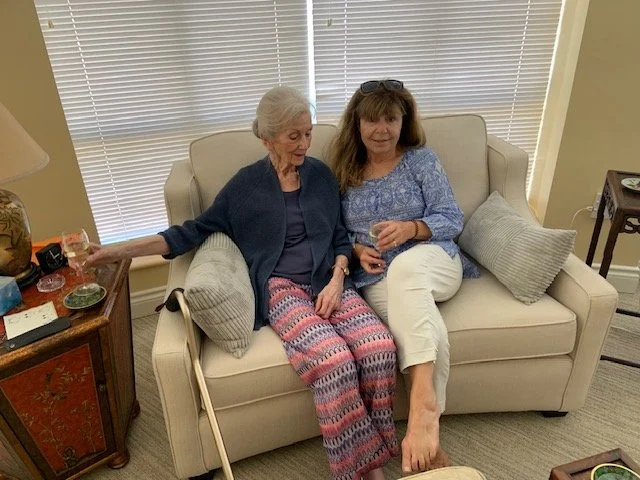
At ElderCareCanada, we have extensive experience in identifying issues and finding expert assistance with Wills and estates, appointment of Powers of Attorney and Executors, preparing advanced health care directives and banking arrangements.
Although we do not pay or receive commissions of any kind, over the years we have developed a network of trusted advisors who can provide expert advice, and we can assist families in the implementation.
Eldercare Mediation
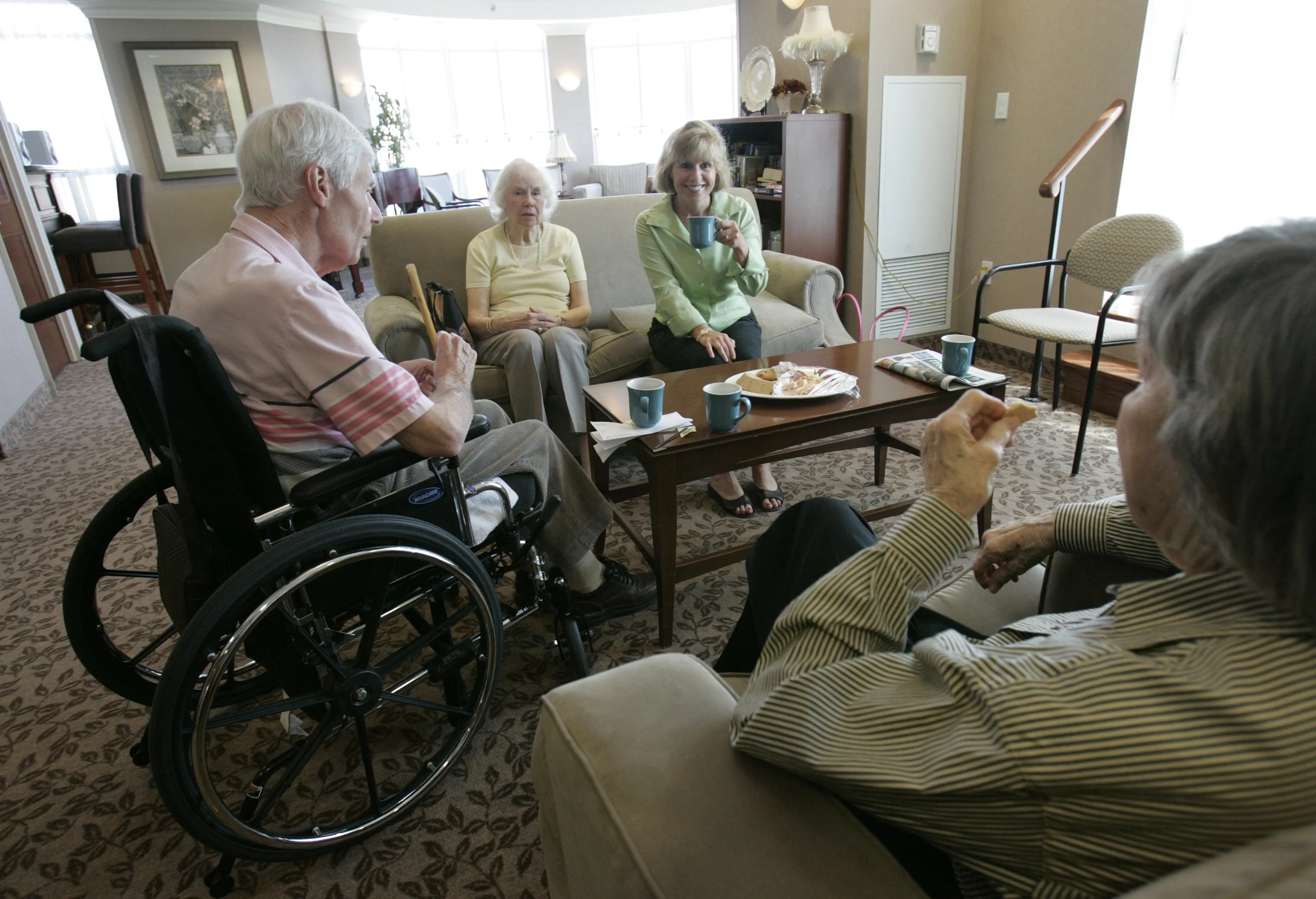
Wait times, red tape, rules and excuses – all you want is help for your parent, and you have no idea where to start. ElderCareCanada follows the principles and best practices of patient navigation.
-
working with social workers to ensure a smooth transition from hospital to home
providing ‘sitters’ and supports while in hospital to ensure effective care
knowing the hospital discharge options – rehab hospital, chronic care unit
Real-life story
A lady living with bladder cancer went into remission and was now pain-free and wanting to re-join her life and activities. Could she go home? No, the condo had been cleared and sold in anticipation of her never coming back. A retirement home? Too costly.
Working with the hospital team, ElderCareCanada brokered a discharge from the palliative care unit to a long-term care section of the hospital, and hired a one-on-one companion to take the lady – now feeling much more of a ‘person’ than a ‘patient’ – to activities , outdoors, the hairdresser and the hospital library.
Care Management & Advocacy
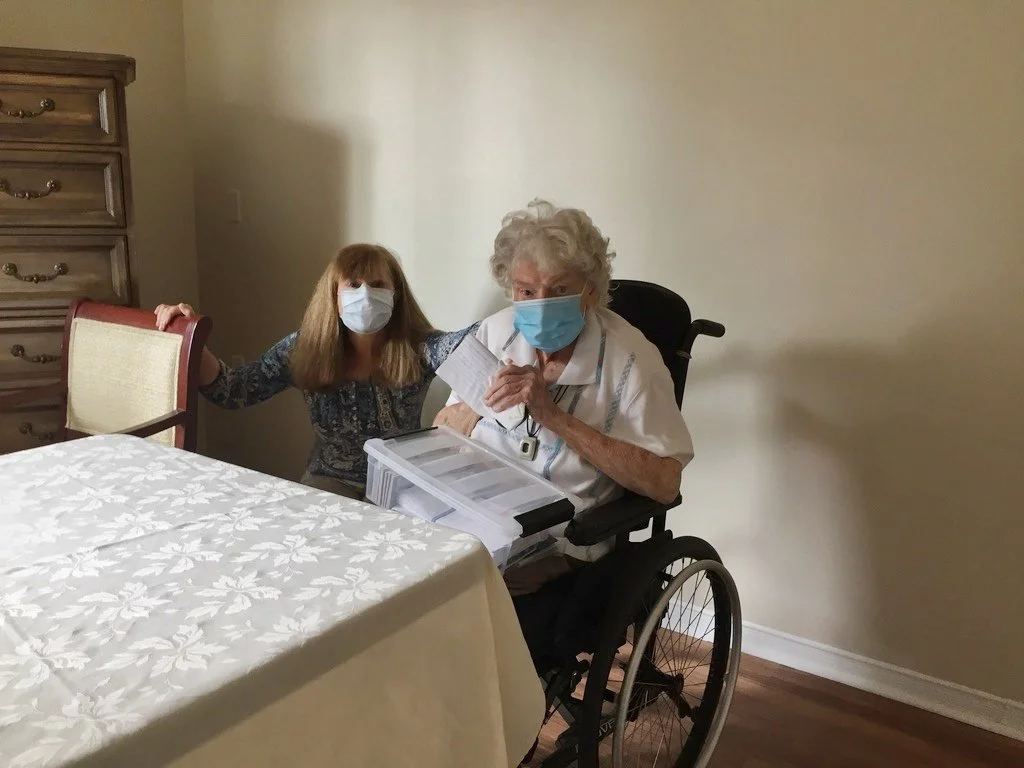
All too often, seniors are marginalized in our society. They’re in hospital, or unhappy in their new home, or not getting what they have paid for and deserve. ElderCareCanada has been tireless in advocating for seniors, identifying, tackling and resolving issues facing seniors and affecting their quality of life.
-
Advocacy for nursing home residents who are unable to speak
Revised care plans for retirement home residents returning from hospital after a stroke
Helping families understand and manage the move to palliative care
Helping families cope with their pre-grief at the ravages of progressive illness
Planning the funeral, and being the only mourner, for clients having no family
Finding suitable accommodation for an LGBTQ couple where they could feel comfortable and safe
-
What We Did
It had not been a good year for Emily Woodruff. After her husband of 60 years died in January she was lonely and increasingly confused, and in June she experienced a stroke, leaving her with right-side paralysis and limited speech. Eating was so difficult that an abdominal feeding tube was inserted.
In July she was discharged to a Complex Continuing Care unit; in September her son asked me to ‘check out her care’. What I found was appalling – the elegant, loquacious lady I had known was alone in a bare room, curled in an awkward fetal position, staring at a silent TV screen on a wall high above her head. Her hair was flat and oily, her hospital nightie reeked of urine, her eyes dull and lifeless and she did not respond when I held her hand and spoke to her. It was clear that a non-hospital environment was essential for Emily’s mental and physical well-being.
While all expert advice indicated long-term care, we succeeded in finding a retirement home to accommodate her needs including a sling-type lift and the feeding tube. We worked with the staff on a routine that got her out of bed, dressed, and into the wheelchair to attend scheduled programs. A companion was hired for one-on-one conversation, outings and weekly hair and manicure appointments.
Six months later Emily Woodruff has been restored – not to her pre-stroke self, but to someone any friend would recognize.
-
What it Cost
All ElderCareCanada services are billed at an hourly rate, on a fee-for-service basis. In this case, the family paid for a 2-hour strategy session, and a 1-hour meeting in hospital with the father and hospital team, and a 5-page report. The fee for the strategy session was later rebated by one of the daughter’s Employee Assistance Program.
No contingency or retainer fees are charged, and ElderCareCanada does not pay or accept commissions, contingency fees, kick-backs or gratuities of any kind. Clients are encouraged to check their employee benefits package, as these services may be covered under their Employee Assistance Plan.
Moving, Home Staging & Clearing
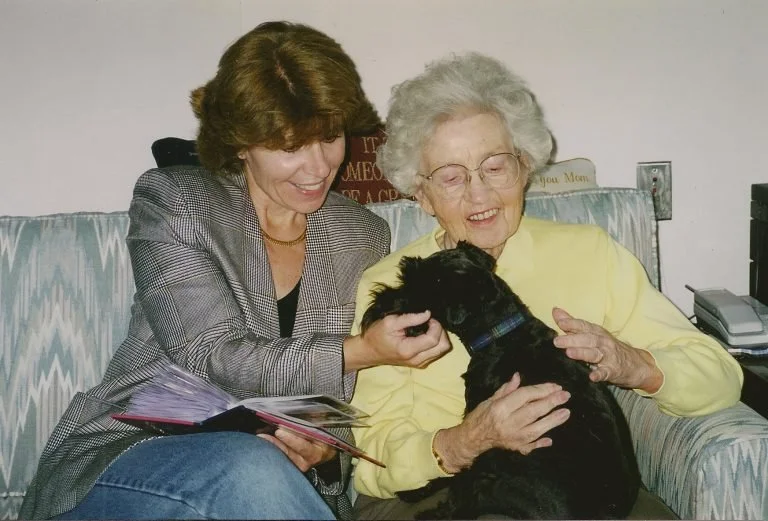
We have done hundreds of successful downsizings and moves, and follow a detailed checklist that ensures a smooth transition:
Planning the space and identifying what to take
Packing, moving; same-day unpacking and set-up
Doing the paperwork
Smart-staging the home
Arranging for contents sales via a trusted third-party
Clearing and preparing the homes for closing the final sale
-
Downsizing families who have lived for 50+ years in large family houses into a one-bedroom retirement home suite
Planning long-distance moves in Canada and the US
Clearing a house including packing co-ordinating and delivery to adult children across North America
Assisting ‘hoarders’ who are unable to focus on what items can realistically come with them
-
What We Did
Dr. Mandel retired from a thriving family practice, where his wife worked at his side as receptionist and office manager. When she developed dementia, he tried to cope at home but she was increasingly confused, missing meals, sleeping all day and wandering all night, and was brought home by the police more than once. Many of their friends had moved into a certain retirement home, which recommended me.
At the home visit, we went through the checklist and timing, and arranged packing and moving dates. Packing day went smoothly and I left the Mandels looking forward to the big day. But when I arrived with the movers, a haggard Mrs. Mandel opened the door – she had been up all night unpacking and putting everything away! A phone call later, I drove them to the retirement home for a few days in a guest suite while we started packing all over again.
Part of the move entailed measuring the suite, getting some new, smaller furniture, twin beds and bookcases and getting the favourite sports channels on cable TV. A key element of working with dementia clients is ensuring their new surrounding as familiar, do photos were taken of the home and, despite new furniture, pictures, colours, linens and accessories were carefully arranged to be familiar to Mrs. Mandel – in fact, on move-in day, she sat down on a recliner, saying “oh, I’ve always loved this old chair”. The antiques that would not fit were sold by a dealer, unwanted clothes were picked up by a charity and the remainder removed by a junk service. Dr. Mandel has since died, but his wife is safe, well cared for and in comfortable surroundings.
What it Cost
All ElderCareCanada services are billed at an hourly rate, on a fee-for-service basis.
In this case the Mandels paid for 10 hours of packing, 6 hours for moving, 6 hours for unpacking and setup, and movers at $75/hour moving rate. Clearing the house was another 10 hours, as well as junk-removal at $500/truckload. Their suite was left in broom-swept condition, ready for the new owners.
No contingency or retainer fees are charged, and does not pay or accept commissions, contingency fees, kick-backs or gratuities of any kind. Clients are encouraged to check their employee benefits package, as these services may be covered under their Employee Assistance Plan.